


Search engine optimization and paid promotions are often viewed as separate digital marketing strategies, yet their true strength lies in their complementary nature. SEO focuses on building long-term visibility through organic search results, while paid promotions provide immediate exposure through sponsored placements. When combined thoughtfully, these two approaches create a balanced marketing ecosystem that improves reach, strengthens brand presence, and supports sustainable growth. Understanding how SEO and paid promotions interact helps clarify why an integrated strategy consistently delivers stronger results than relying on either method alone.
The Complementary Nature of SEO and Paid Traffic
SEO and paid promotions serve different purposes but share the same goal: connecting users with relevant content. SEO builds authority and trust over time by optimizing website structure, content quality, and technical performance. Paid promotions, on the other hand, allow brands to place content directly in front of users who are actively searching or browsing related topics. Together, they cover both immediate visibility and long-term discoverability. This combination ensures that a brand remains present at multiple stages of the customer journey, from initial awareness to final decision-making.
Using Paid Data to Strengthen SEO Strategy
Paid promotions generate large volumes of performance data in a relatively short time. Metrics such as click-through rates, conversion rates, and keyword engagement provide valuable insights into user intent and behavior. This information can guide SEO efforts by identifying which keywords, topics, and messaging resonate most with audiences. Instead of relying solely on theoretical keyword research, marketers can use real-world paid campaign results to refine content strategies. Over time, this alignment improves organic rankings and increases the likelihood that SEO content attracts qualified traffic.
How SEO Improves Paid Campaign Efficiency

Strong SEO foundations improve the effectiveness of paid promotions. Well-optimized landing pages load faster, provide clearer structure, and offer more relevant content, all of which contribute to a better user experience. Search platforms often reward high-quality pages with better quality scores, which can reduce cost per click and improve ad placement. This means that investments in SEO not only benefit organic performance but also lower the overall cost of paid advertising. The result is a more efficient use of the budget and stronger performance across campaigns.
Building Brand Authority Through Dual Visibility
When a brand appears in both organic search results and paid placements, it occupies more digital real estate. This dual visibility reinforces credibility and increases the likelihood that users will recognize and trust the brand. Repeated exposure across multiple touchpoints creates familiarity, which plays a significant role in decision-making. Over time, this consistent presence helps establish authority within a niche, making users more inclined to choose the brand even when they encounter competitors offering similar products or services.
Balancing Short-Term Gains and Long-Term Growth

Paid promotions deliver immediate traffic and quick testing opportunities, making them ideal for product launches, seasonal campaigns, or market entry. SEO, by contrast, requires patience but offers compounding returns as content gains authority and rankings improve. When combined, businesses can achieve short-term visibility while simultaneously building long-term assets. This balance reduces dependence on a single traffic source and creates a more resilient marketing strategy that adapts to algorithm changes and market fluctuations.
SEO and paid promotions are most effective when treated as interconnected components rather than isolated tactics. Paid campaigns provide speed, data, and testing capabilities, while SEO delivers sustainability, trust, and long-term visibility. Together, they form a unified strategy that maximizes reach, improves efficiency, and strengthens brand presence across search channels. Understanding how these approaches support each other enables businesses to allocate resources more intelligently and achieve greater overall impact in their digital marketing efforts.…



 Another way to ensure that your website is SEO friendly is to choose a web hosting provider with features like caching, GZIP compression, and image optimization. Caching helps speed up your site by storing frequently accessed data in memory so it can be quickly served to visitors. GZIP compression reduces the size of files that are sent from the server to the browser, helping to speed up the loading time of your pages. Image optimization will also help to reduce the size of your images so that they load faster and take less bandwidth, which can also help improve search engine rankings. Many people overlook these features when looking for web hosting, but they can make a huge difference in your SEO efforts.
 One of the most common mistakes people make when getting help with their SEO is not defining their goals. What do you want to achieve with your SEO? Do you want to improve your website’s ranking for specific keywords? Do you want to increase your website’s traffic?
 Many people make the mistake of not understanding what they’re paying for when they hire an SEO company. Companies can offer many different services, and it’s important to know what you’re getting before you agree to pay for it.
 what determines the browsing experience for different users. Slow loading speeds give many a difficult time trying to browse through various sites. This is something that may affect your search engine rankings. Your web designer should ensure your loading speeds are fast if you want to boost your search engine rankings.
 You should also come up with a website that works well across different platforms. It should work on devices that run on different operating systems. You also need to ensure that you have a mobile-friendly version of your website. These factors will help you rank top in various search engines.…

 Do you know that millions of people inhabiting the earth spend most of their time online? If you are familiar with this fact, you should also know that social media becomes one top option to accommodate their need for online presence. We have heard of Instagram, Facebook, Twitter, and Path, but people are still doubtful of how these platforms can bring them economic benefits. The truth is that the pages and accounts ensure effective outreach, even to those living miles away. Then, it is not an exaggeration to say that the option has completely changed the face of communication, interactions, and transactions.
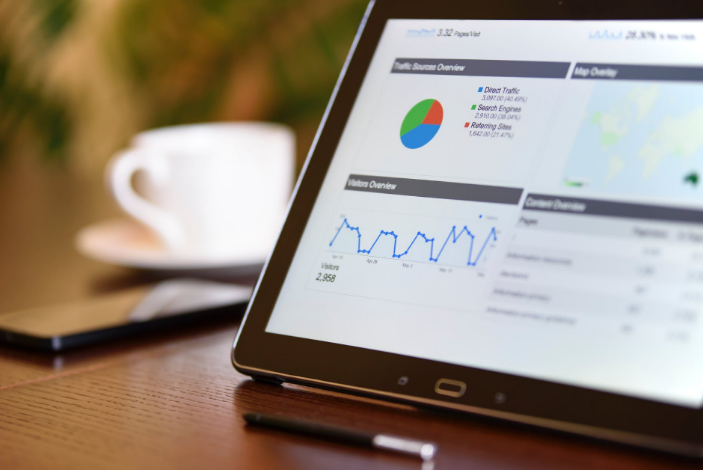
 Launching sites requires marketers to create a plan, and it is what developers usually refer to as a sitemap. It does not have to be an official document as it represents the vision of what needs to be put on the page. It is what is commonly known as the front-end. Marketers need to consider several questions, such as what contents that they need to put, how they will organize the categories, how the sites will be linked, and what hierarchy the page should stick to.
 the know of some of the latest fashion trends. If you are someone who loves looking good or staying updated on the latest you have to wear, then this is the kind of content you should be reading. They will help you know how to put them on and also places you can get the attires you’ve been looking for.
 Google Ads are useful if you have a big budget, and the results can be seen. On average, it costs about five dollars as payment for each click. SEO services, on the other hand, are slightly cheaper and a much better option. Secondly, the returns on the SEO services are much higher compared to PPC. Unfortunately, people tend to ignore ads in pay-per-click (PPC) strategy. Current and potential clients will, most of the time, rely on organic results. It is highly recommended that you spread your eggs.